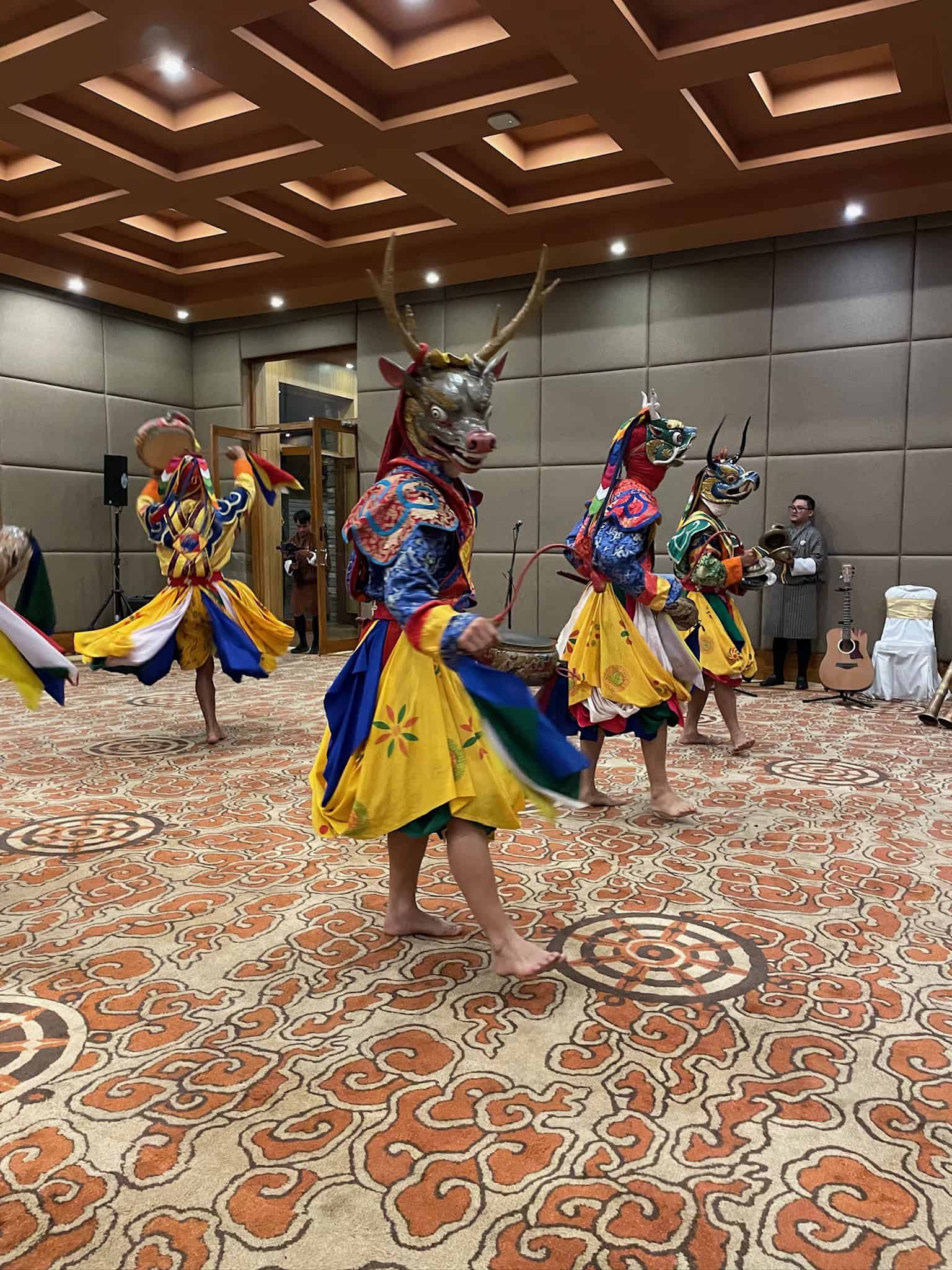
I arrived in Bhutan on May 18th after a full day of travel. Over the course of my trip, I was struck by the deep emphasis on traditional crafts and how it is nurtured through education. The state’s support for the arts ensures that these crafts not only remain recognized but are also sustained through modernization.
In Bhutan, the 13 arts and crafts are collectively known as Zorig Chusum, which includes: Carpentry, Masonry, Bronze Casting, Blacksmithing, Ornament Making, Cane and Bamboo Weaving, Weaving, Tailoring, Embroidery and Appliqué, Woodturning, Paper-Making, Sculpting, Painting, and Carving.
Throughout my journey, I had the privilege of meeting local artisans and participating in traditional experiences. I attended services at monasteries, watched performances, and wore traditional attire when I had the honor of meeting Jigme Khesar Namgyel Wangchuck, the 5th Dragon King of Bhutan, as part of the World Bank Delegation. This trip has left a profound impact on me. In a time when global politics often feels disconnected from public welfare, it was inspiring to see national leaders guided by a deep sense of responsibility for their people’s well being.
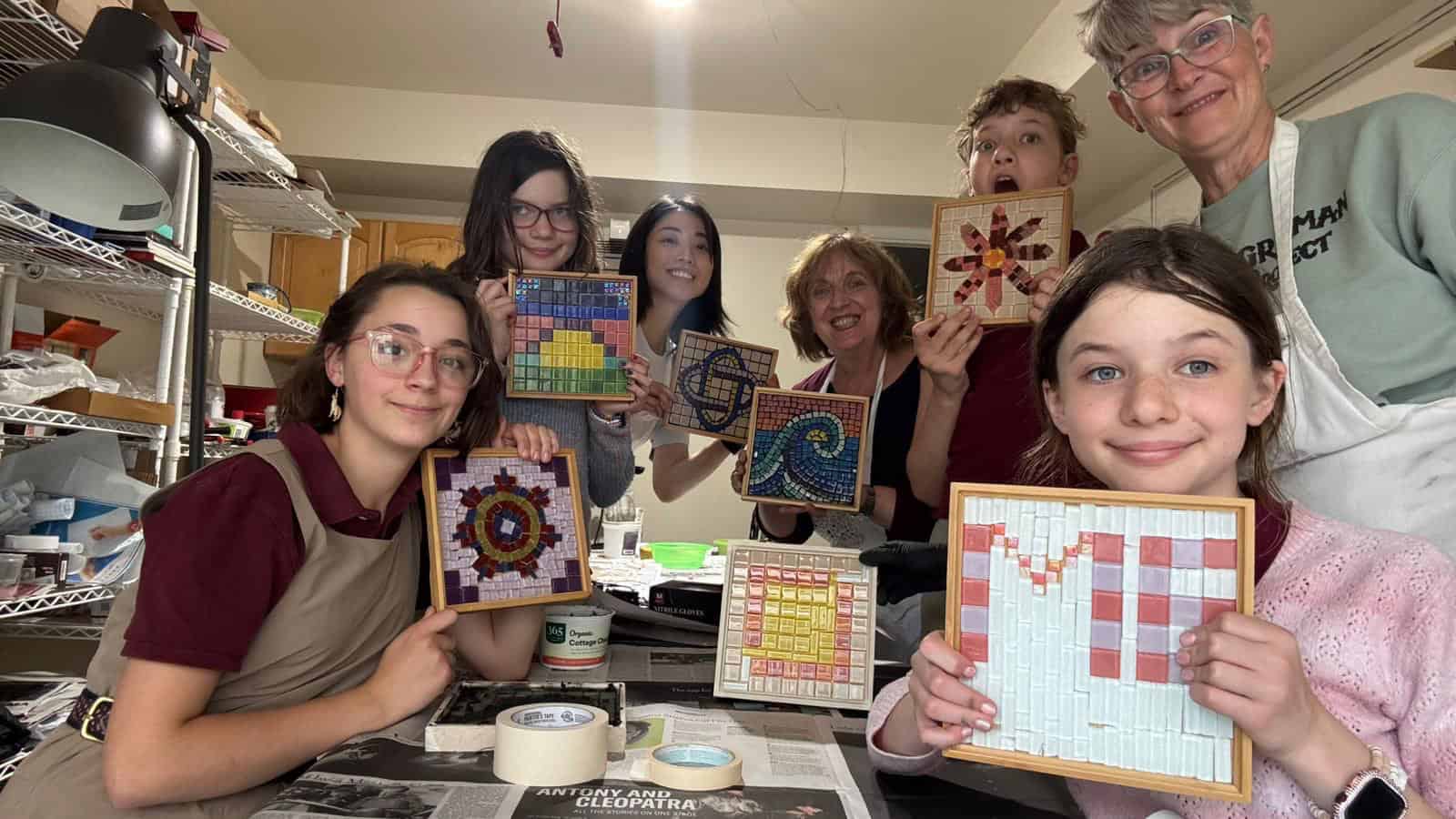
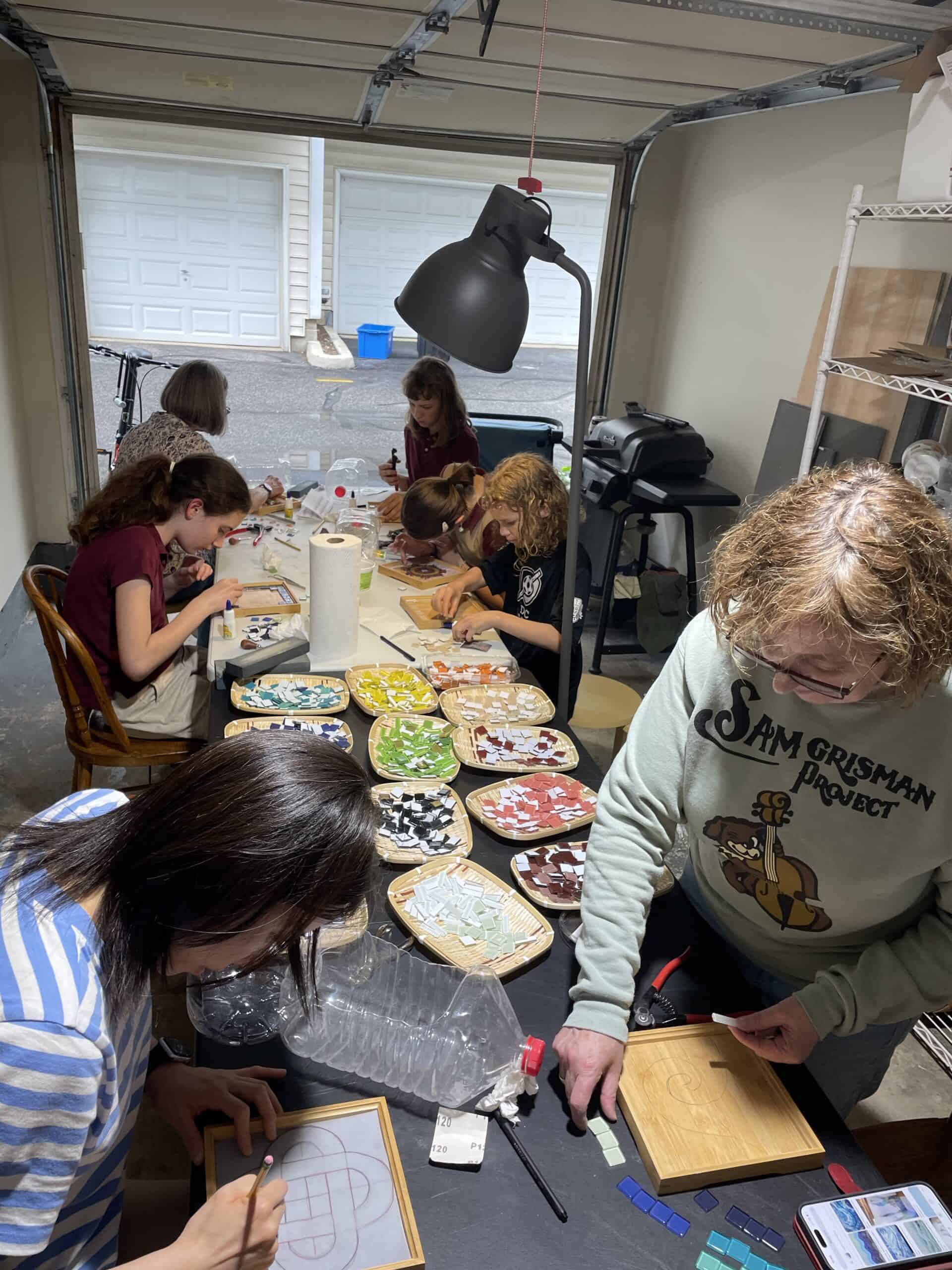
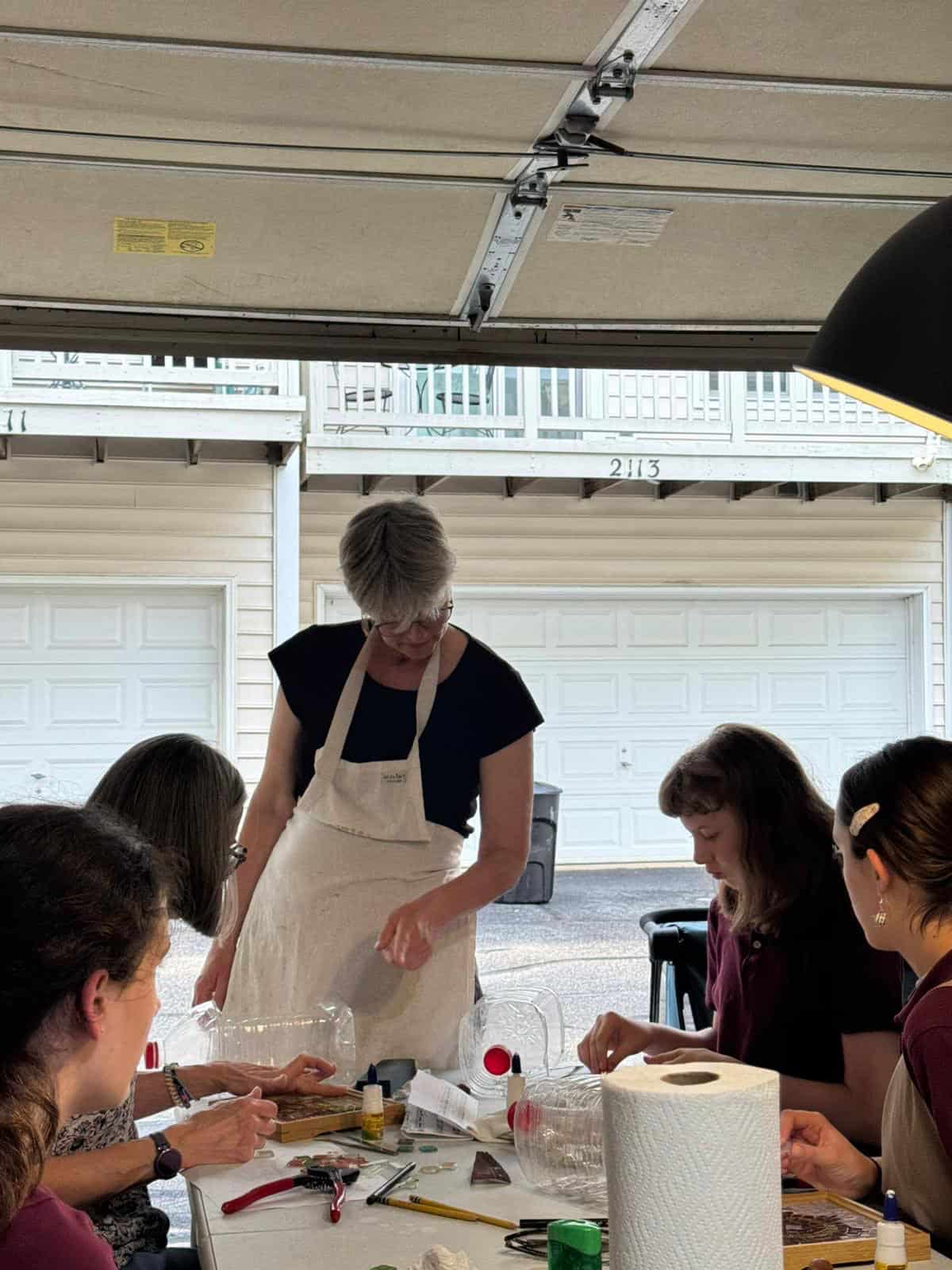
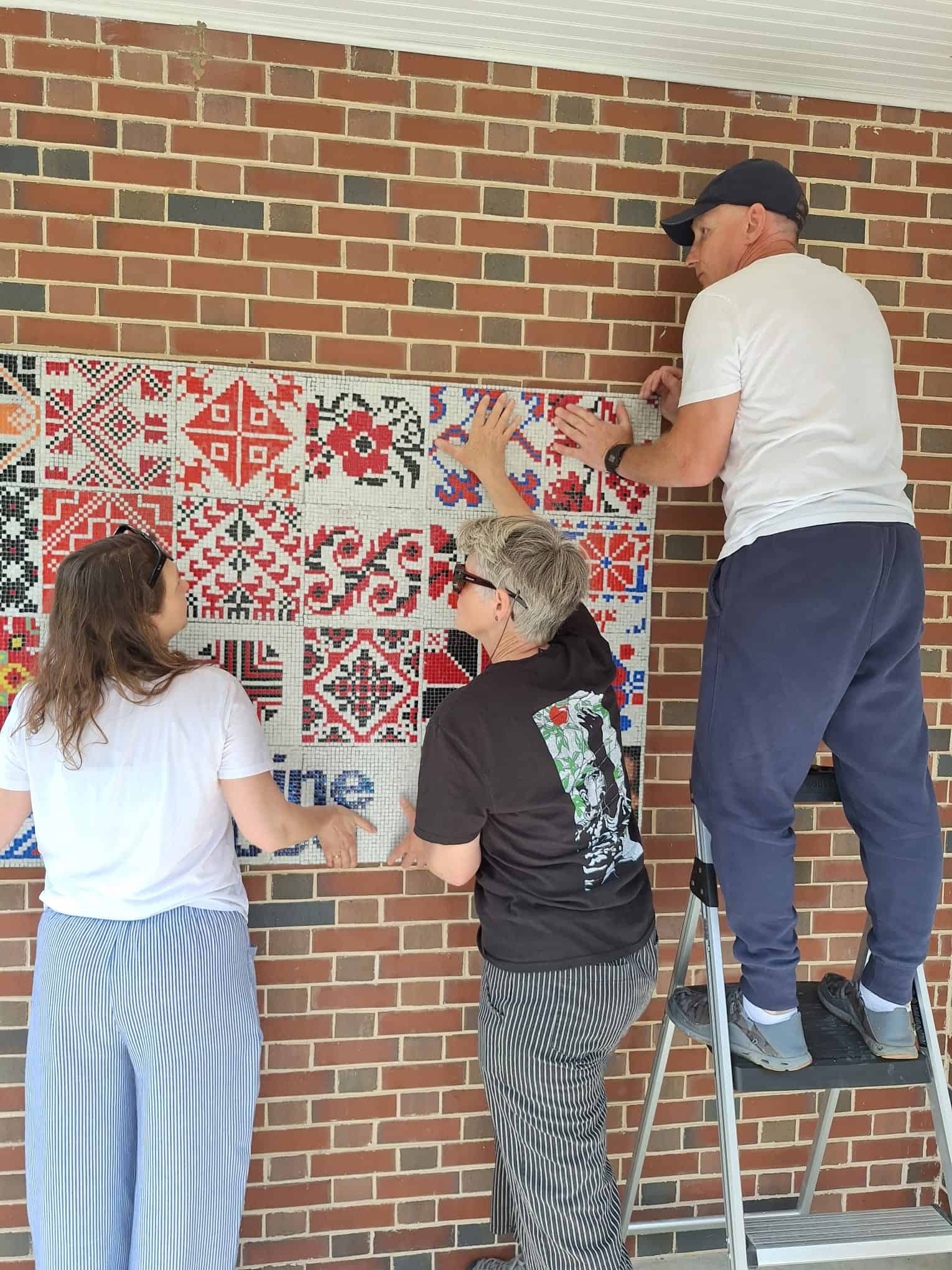
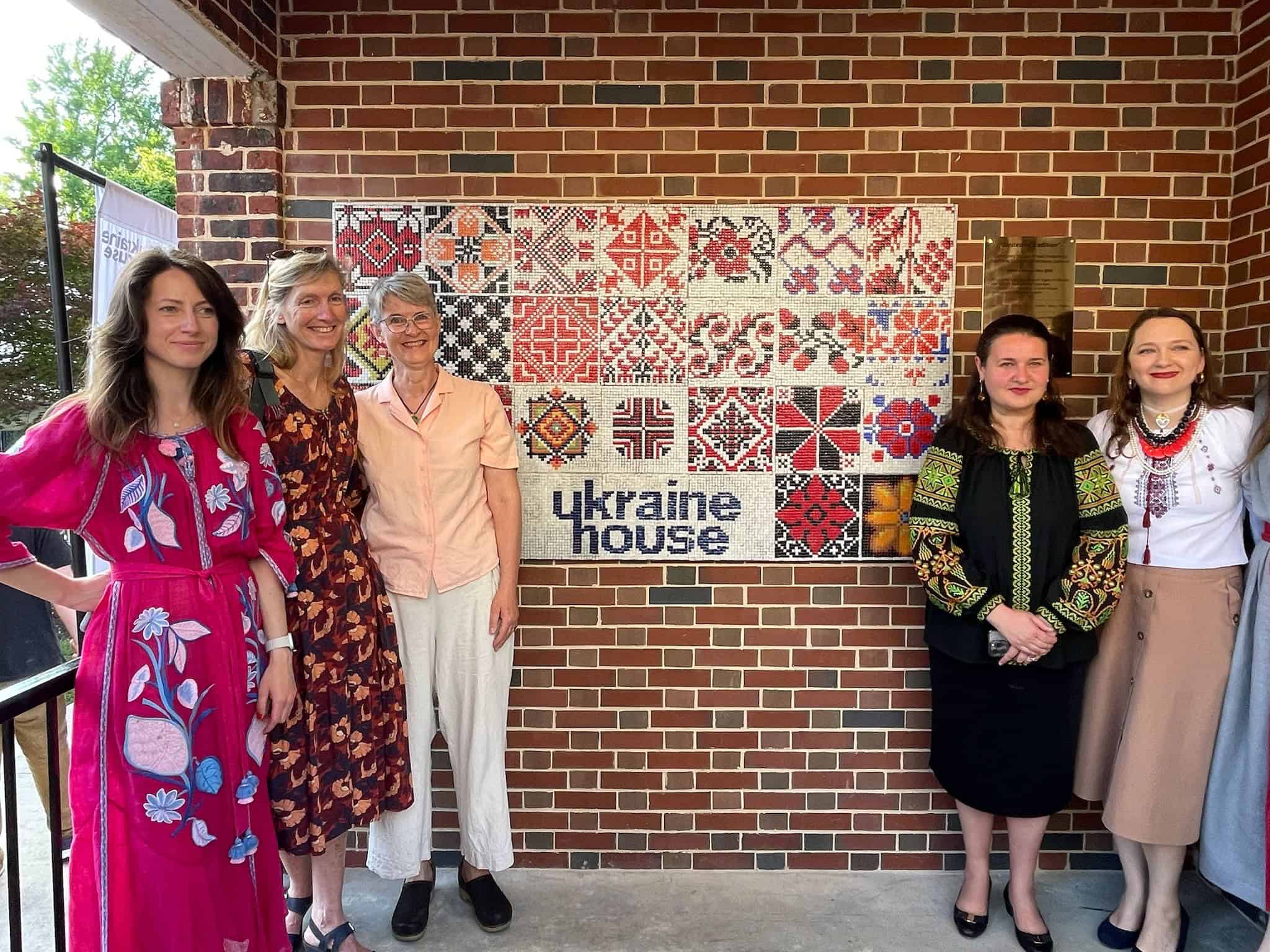
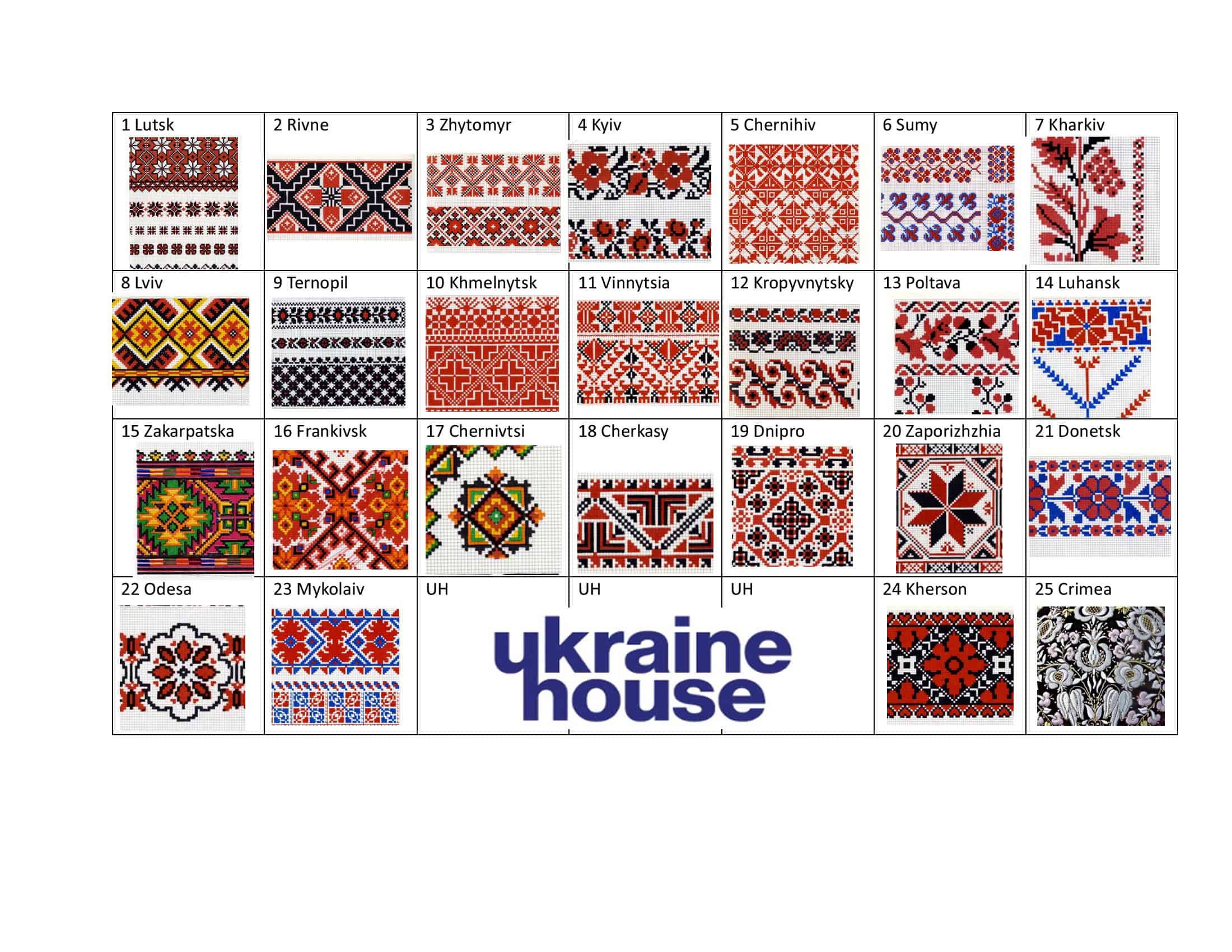 The mosaic is geographically arranged—from the Lutsk region in the northwest at the top left, to Crimea in the southeast at the bottom right—forming a visual map of Ukraine through the language of textile art. This intricate work, composed of 25,000 stones and brought to life by more than 30 contributors, is a testament to unity, resilience, and the beauty of the Ukraine.